Is It Better to Buy a New or Used Car?
Posted Thursday, Aug 14, 2025
Buying a car is one of the biggest financial decisions many people face. Whether to buy a new car or a used car is a question that sparks endless debate among car buyers. Both options offer unique benefits and challenges and understanding these can make all the difference in finding the perfect vehicle for you.
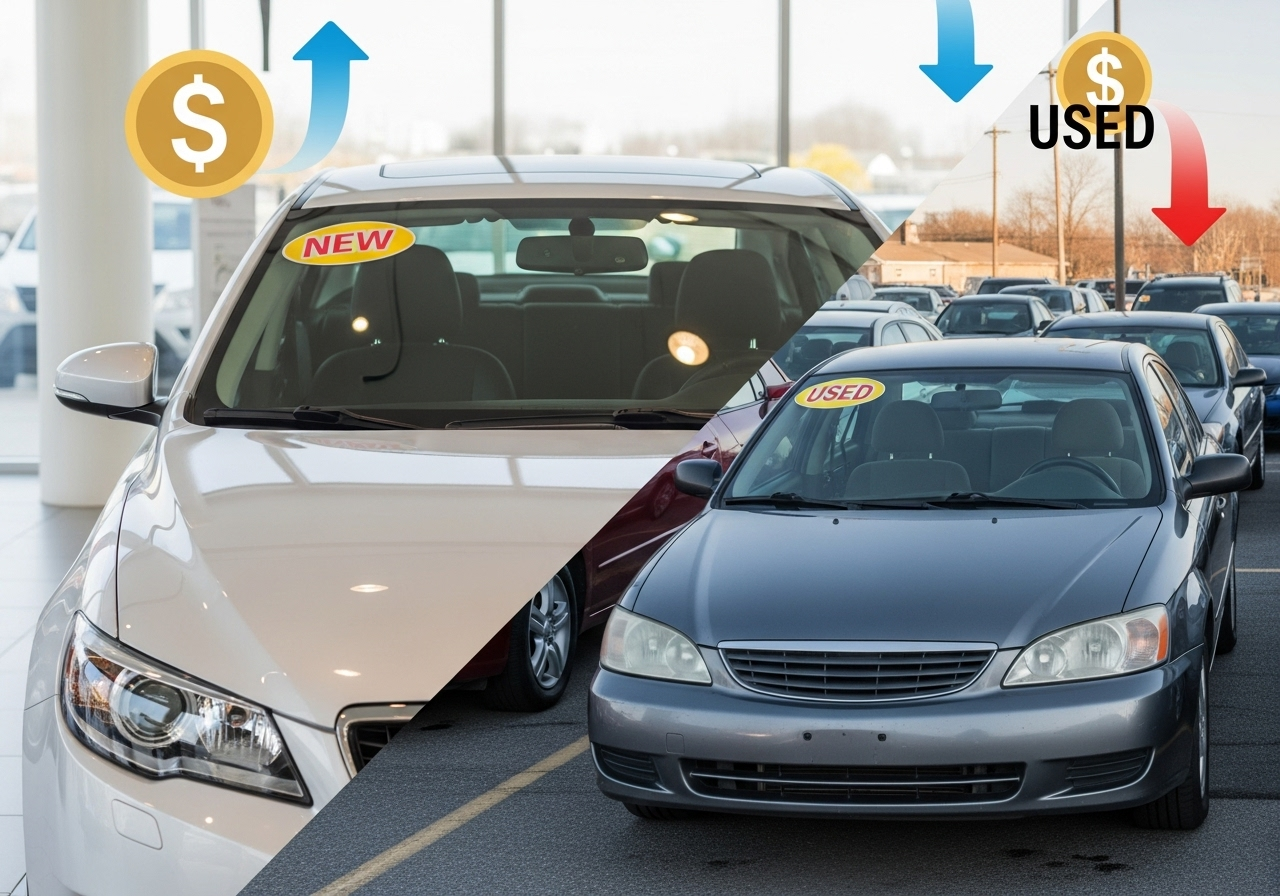
In today’s automotive market, making a smart choice between a new or used car is more important than ever. With rising costs, evolving technology, and diverse customer needs, knowing the pros and cons of buying new or used helps you save money, avoid regrets, and enjoy the ride for years to come.
This comprehensive guide will help you navigate the process of deciding whether to buy a new or used car. Let’s explore the crucial factors, costs, benefits, and insider tips that will empower you to make the best choice for your needs.
What Are the Advantages of Buying a New Car?
Thinking about buying a new car? There’s a lot to love about driving off the lot in a brand-new vehicle. Here are some standout advantages:
Latest Technology & Features
New cars come equipped with cutting-edge tech—advanced infotainment systems, driver-assistance features, and superior safety enhancements.
- Many new vehicles include Lane-keeping assist.
- Automatic emergency braking
- Blind-spot monitoring
- Apple CarPlay and Android Auto
These features not only add convenience but also improve the overall buying experience and safety for you and your passengers.
Peace of Mind with Warranties
New cars come with manufacturer warranties that often last 3–5 years or longer.
- Warranties can cover: Powertrain repairs
- Roadside assistance
- Complimentary maintenance in some cases
This coverage protects your wallet from unexpected repair costs and adds confidence to your new car purchase.
Reliability and Longevity
- New vehicles are far less likely to have hidden mechanical issues.
- A new car, free from any previous wear and tear, offers dependable transportation for years ahead.
- If you intend to keep your vehicle for many years, purchasing a new one can be a smart long-term investment.
What Are the Downsides of Buying a New Car?
While a brand-new car sounds enticing, there are notable drawbacks to consider:
Rapid Depreciation
- New cars lose significant value quickly, often 20% or more in the first year.
- If you plan to sell or trade in your car after a few years, you may face substantial financial loss.
Higher Overall Costs
A new car’s purchase price is higher than that of a used vehicle.
- Costs include: Higher monthly payments
- Increased insurance premiums
- Additional fees at purchase
For budget-conscious buyers, these expenses can strain your finances.
Limited Negotiation Room
- While dealers offer incentives, new car prices can be less flexible than used ones.
- · Even with promotions, the base price remains higher than buying a pre-owned car.
Why Buying a Used Car Can Be a Smart Choice
If you’re considering buying a used car, there are many compelling benefits:
Lower Purchase Price
- The most obvious advantage is cost savings. Used cars are generally far more affordable than new models.
- You can often buy a used car with premium features that might be out of budget if purchased new.
Reduced Depreciation Impact
- Used cars have already gone through most of their depreciation.
- This means: Slower value loss over time.
- Higher resale or trade-in value down the line.
Lower Insurance Costs
- Insurance premiums for used cars are usually less expensive.
- Lower vehicle value means reduced risk for insurers.
Wider Selection of Makes and Models
- Buying used opens up access to a diverse inventory of vehicles from multiple model years.
- You might find discontinued models or rare trims not available as new vehicles.
What to Watch Out for When Buying a Used Car
While buying a used vehicle offers savings, it comes with some risks:
Potential Mechanical Issues
- Older vehicles might hide mechanical problems.
- Even a low-mileage used one can require costly repairs if not properly maintained.
Limited Warranty Protection
- Many used cars are sold “as is,” meaning no warranty coverage.
- Repairs become your financial responsibility unless you purchase an extended warranty or a certified pre-owned car.
Less Choice in Features & Specs
- You might not find the exact colour, trim, or tech package you want.
- Flexibility is crucial when shopping for a used vehicle.
How Do New Car Prices Compare to Used Car Prices?
New car prices are typically higher than used car prices, but the difference can vary widely based on the make, model, and year. For example, a brand-new luxury vehicle may have a significantly higher price tag compared to a used economy car. Understanding your budget and the type of car you want will help you make a more informed decision.
When deciding between a new or used vehicle, taking the time to explore your options is essential. Dealerships often provide different pricing and financing options that can affect your overall cost. Comparing prices at multiple dealerships for both new and used cars can lead to better deals.
Should I Buy a New Car or a Used Car Based on My Needs?
Your personal lifestyle and vehicle needs should drive your decision.
Consider buying a new car if:
- You need maximum reliability for daily commuting.
- You prefer the latest features and safety tech.
- You want warranty protection and peace of mind.
Consider buying a used car if:
- You’re on a tighter budget.
- You drive less frequently or only locally.
- You want to avoid rapid depreciation.
Your decision should reflect how you plan to use the vehicle, how long you’ll keep it, and your comfort level with potential repairs.
What Financing Options Are Available for New and Used Cars?
Financing a new vehicle typically involves lower interest rates, especially if you have good credit. Many dealerships offer attractive financing deals to encourage the purchase of new cars. However, this doesn’t mean that financing a used car is not feasible; many lenders provide competitive rates for used vehicles as well.
When exploring financing options, it’s important to compare offers from different lenders to find the best deal. This will help you find the best rates and terms, whether you're buying new or used.
How Can I Assess the Value of a Used Car?
When purchasing a used vehicle, assessing its value is crucial. Tools like Kelley Blue Book and Edmunds can provide insights into fair market prices for specific makes and models. It's also advisable to check the vehicle's history report, which can reveal any accidents, title issues, or odometer discrepancies.
Additionally, consider having the used car inspected by a trusted mechanic. This step can uncover potential mechanical problems, allowing you to make an informed decision about the purchase.
What Are Certified Pre-Owned Cars, and Are They Worth It?
Certified pre-owned (CPO) cars are used vehicles that have passed thorough inspections and meet the manufacturer’s strict standards. These cars often come with extended warranties, offering some of the benefits associated with buying a new car.
While CPO cars may come at a higher price compared to non-CPO used cars, the added security in terms of warranty and condition can make them a worthwhile investment for many buyers. If you're considering buying a used car, a CPO vehicle can provide peace of mind.
How to Make the Final Decision: New vs. Used?
Deciding between a new car and a used car ultimately comes down to your individual needs, budget, and preferences. Take the time to evaluate the pros and cons of each option. Consider factors like financing, long-term costs, and your intended use of the vehicle. This thorough assessment will lead to a more satisfying purchase.
It may also be beneficial to test drive both new and used models to see which one feels right for you. Your comfort and satisfaction with the vehicle are paramount in making the right choice.
- New cars offer the latest features and warranties.
- Used cars typically have lower prices and insurance costs.
- Depreciation is a significant factor when considering new cars.
- Consider your specific needs when choosing a vehicle.
- CPO cars can provide a middle ground with added security.
Conclusion
In conclusion, whether you choose a new car or a used car depends on your personal needs and financial goals. If you’re looking for high-quality used cars, check out Caspian Sea Auto Sales LLC, a trusted used car dealer in Little Ferry, NJ. They offer a diverse inventory of used cars in Little Ferry, ensuring you can find the perfect vehicle
that fits your lifestyle and budget. For anyone seeking reliable, high-quality used cars, their team is ready to make your car-buying experience smooth and satisfying.